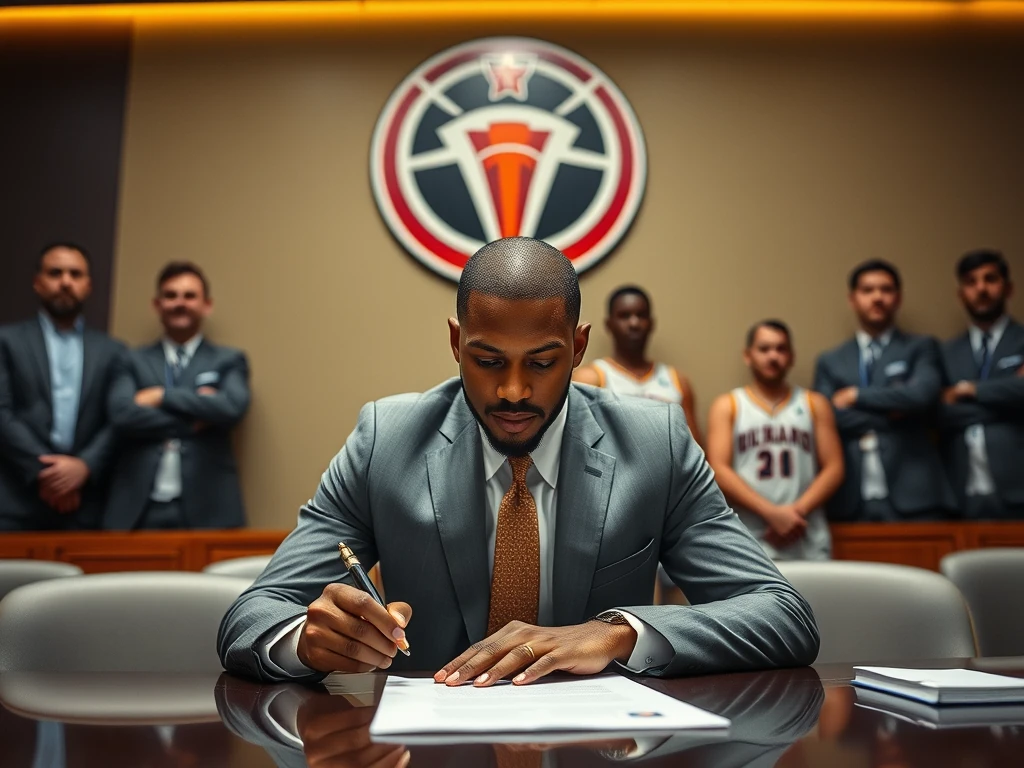
The 2001 NBA Draft is often remembered as a crucial moment in the Milwaukee Bucks' history, a turning point that would influence the team's future for years to come. With the 8th overall pick in a class that boasted talent such as Kwame Brown, Tyson Chandler, and Pau Gasol, the Bucks had the opportunity to reshape their roster and potentially elevate their status within the competitive landscape of the NBA.
The Bucks made a bold choice by selecting a name that was perhaps not on everyone's radar at that time: 6'6" shooting guard Michael Redd from Ohio State University. Redd was known for his scoring prowess and ability to stretch the floor, showcasing a reliable shooting touch that would become his signature throughout his career. While many expected the Bucks to opt for a player with more size or defensive potential, Redd's offensive capabilities and versatility ultimately won them over, and he would soon become a cornerstone of the franchise.
Redd's arrival in Milwaukee was the beginning of a new era, as he quickly established himself not just as a scorer but as a leader on the court. In his rookie season, he averaged 8.7 points per game, but it was the following seasons where his scoring ability truly blossomed. By the 2003-2004 season, Redd was averaging 21.7 points per game, showcasing his ability to create shots both off the dribble and from the perimeter, and his contributions on offense made him a lethal weapon in the Bucks' arsenal.
Beyond his scoring, Redd was integral to the Bucks' success during the mid-2000s, helping the team reach the playoffs multiple times. His performances were often marked by clutch shooting, particularly in crucial moments, where he could be relied upon to hit big shots in the fourth quarter. The Bucks' offense often revolved around Redd's ability to create space, allowing for isolation plays and pick-and-roll opportunities that leveraged his shooting skills.
As the Bucks navigated through a changing roster, Redd remained a constant presence, earning an All-Star selection in 2004 and solidifying his reputation as one of the league's premier shooting guards. His impact was felt not just in scoring but also in his work ethic and professionalism, setting a standard for future generations of Bucks players.
The 2001 draft was not just about one player; it was a reflection of the Bucks’ strategic pivot towards a more dynamic offensive style. Redd's success paved the way for the franchise to embrace a team identity that prioritized shooting and spacing, which would later influence their approach in drafting and acquiring players in the years to come.
In hindsight, the decision to draft Michael Redd was monumental. It allowed the Bucks to compete at a higher level during the 2000s and set the foundation for a more modern approach to basketball that we see today. Redd's contributions to the franchise are celebrated, as he remains one of the all-time greats in Bucks history, and his legacy continues to inspire current and future players.