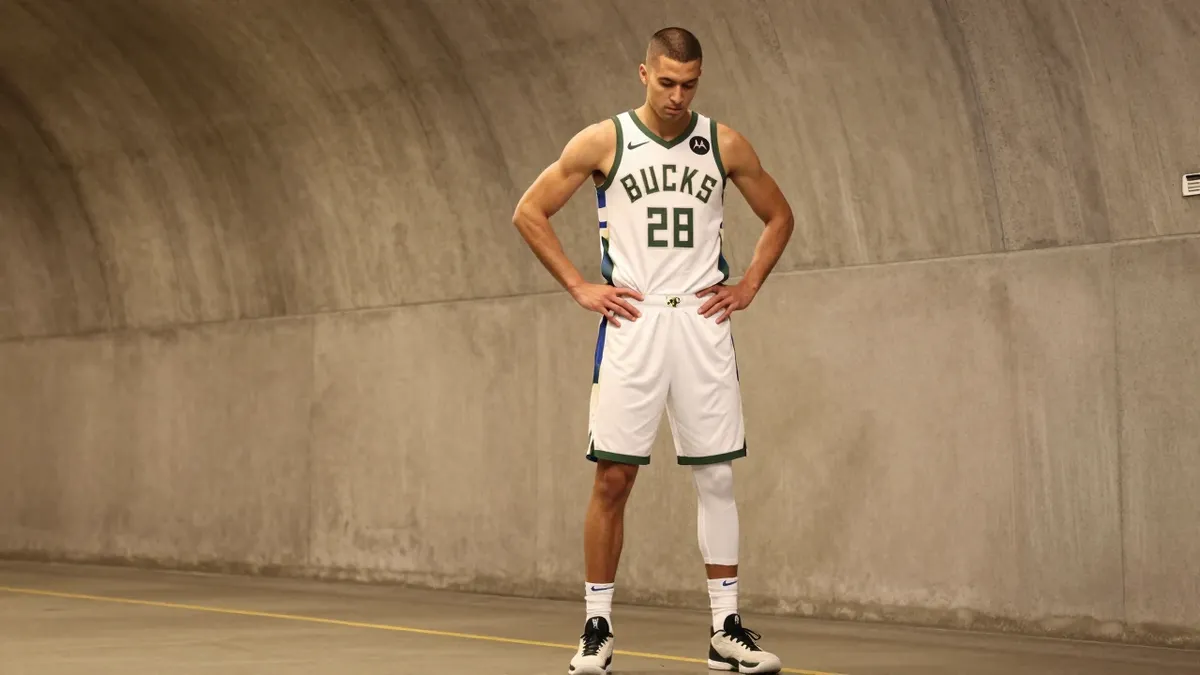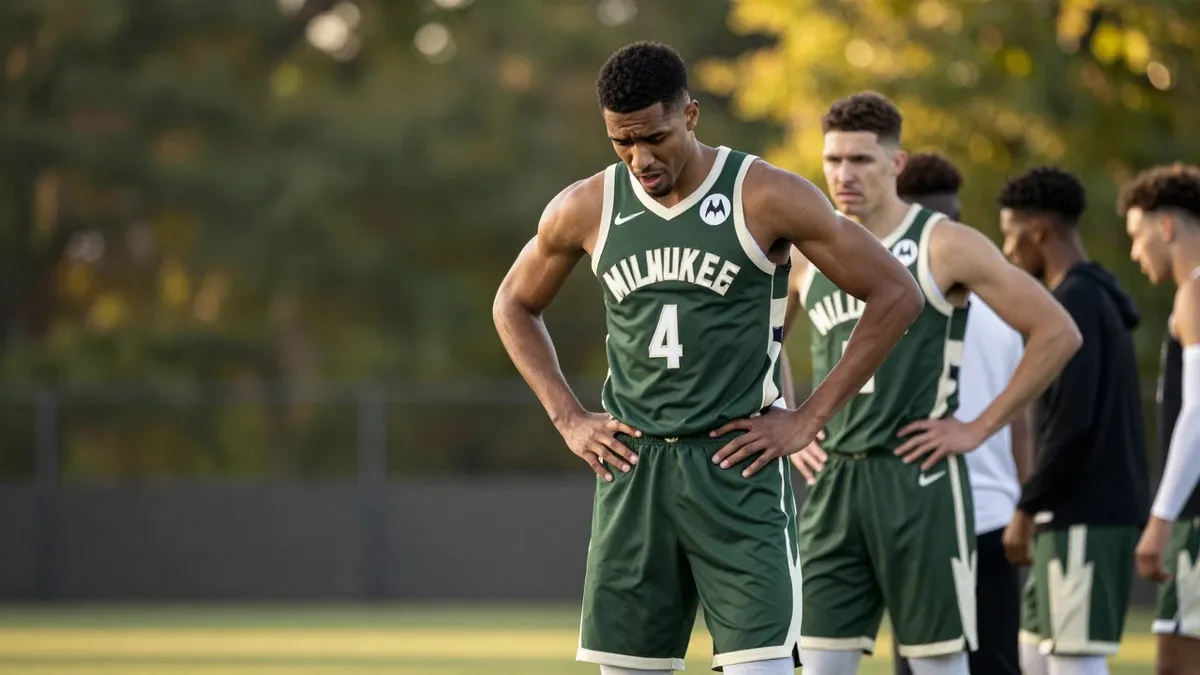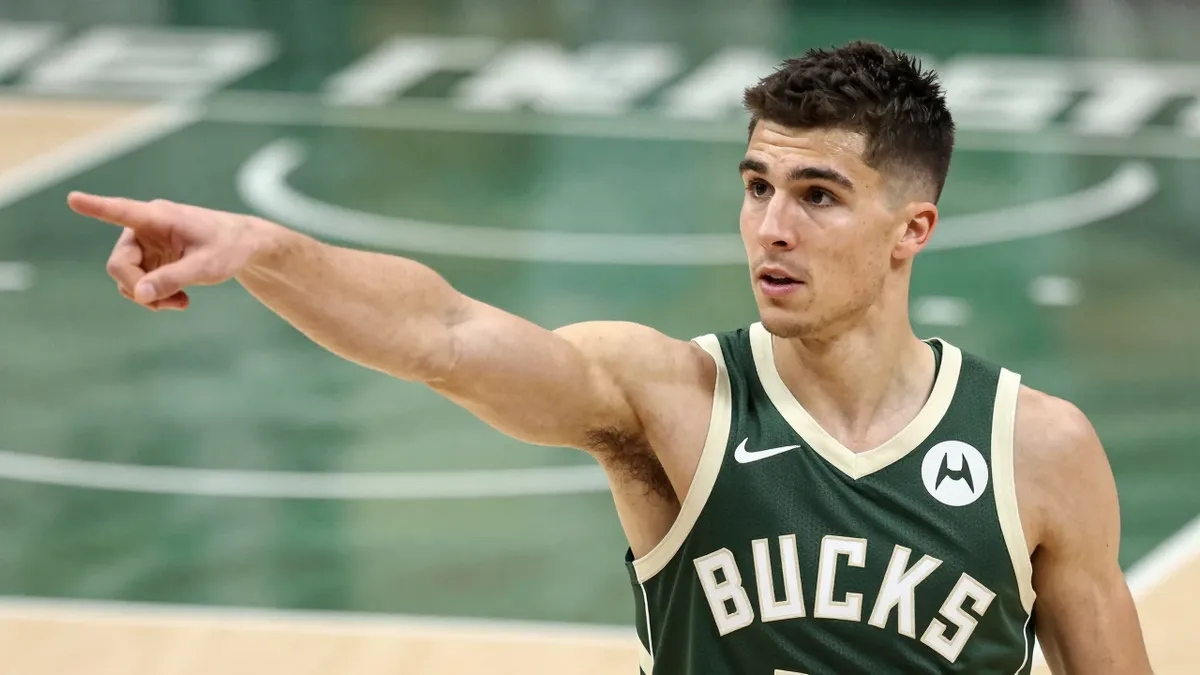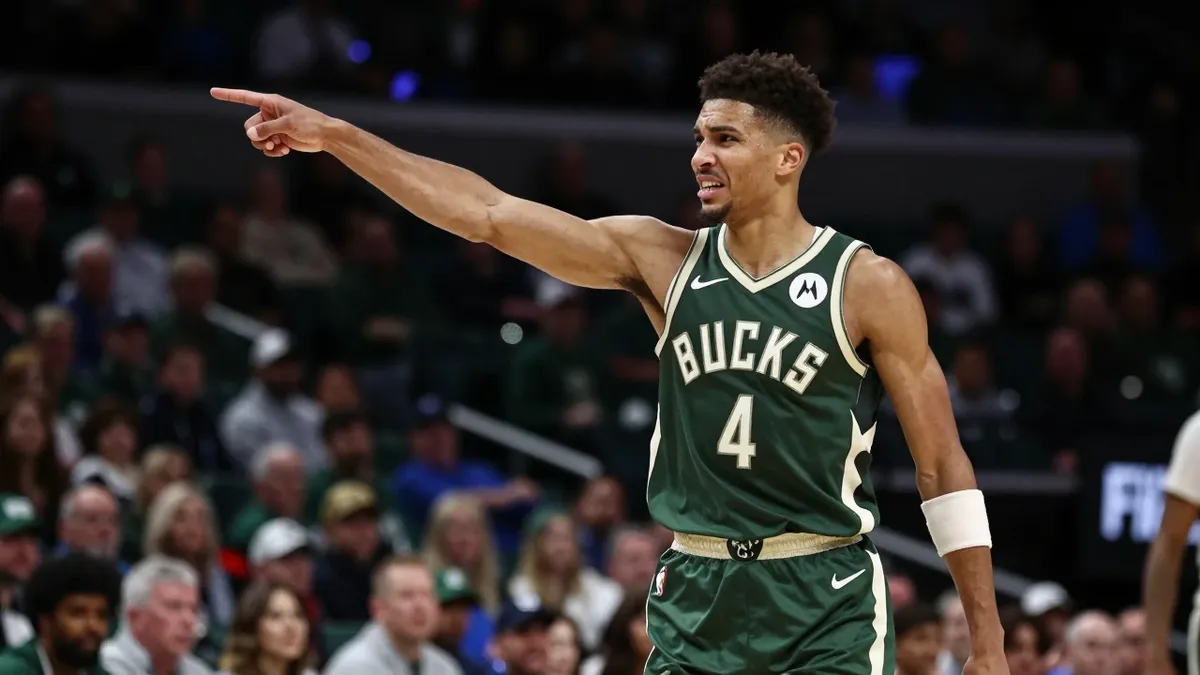
The Milwaukee Bucks are staring down the worst season in NBA history after a 132-129 road loss to the Philadelphia 76ers on November 21, 2026. Their 1-16 record puts them on a trajectory to shatter the league's futility mark, and a previous trade has jeopardized their future draft capital.
At 1-16, the Bucks own the NBA's worst record. Their current .059 win percentage projects to just five victories over an 82-game schedule. That would easily break the record held by the 1972-73 Philadelphia 76ers, who finished 9-73. Milwaukee has already matched its worst 14-game start in franchise history, a mark set back in the 1974-75 season.
The team's recent form shows no signs of improvement. They have lost five consecutive games, including that 132-129 defeat in Philadelphia and a 114-124 home loss to the Portland Trail Blazers on November 19. The losing streak also features road losses to the Miami Heat and Orlando Magic, plus a home defeat by the Atlanta Hawks.
Ordinarily, a season this difficult comes with the silver lining of a high draft pick. That isn't the case for Milwaukee. In a previous move to bolster the roster, the Bucks traded away their 2027 first-round pick with minimal protection. The New Orleans Pelicans hold the right to the more favorable selection between their own pick and Milwaukee's, while the Atlanta Hawks are positioned to receive the other.
This creates a nightmare scenario. If the Bucks' season continues to crater, they will not control their own top selection to begin a rebuild. The potential top-five pick resulting from this historic slump could instead go to New Orleans or Atlanta, stripping Milwaukee of a key asset for recovery.
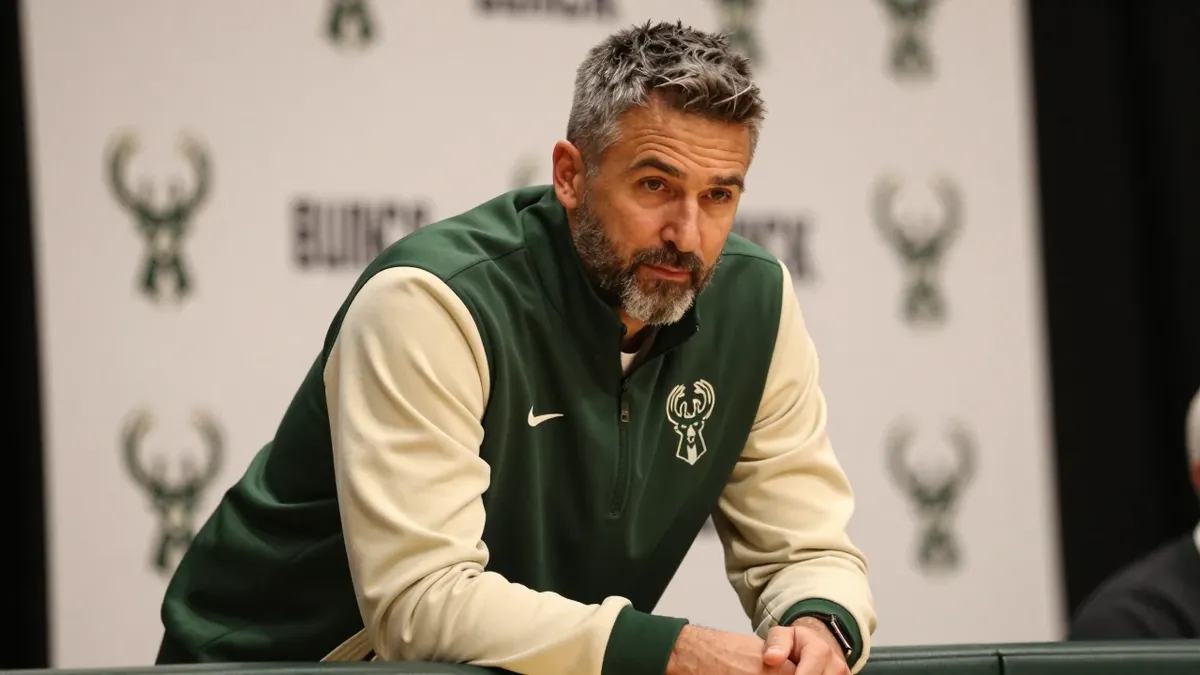
Head coach Taylor Jenkins faces an immense challenge. The schedule offers little respite, with a road game against the Toronto Raptors next on November 23.
There have been small bright spots. In the recent loss to Philadelphia, guard Tyler Herro erupted for over 50 points, showing the kind of individual offensive firepower the team desperately needs. Replicating that fight and finding consistent contributions from the supporting cast is essential.
The historical precedent from 1974-75 offers a faint glimmer. That Bucks team also started 1-13 but managed to rally to a 38-44 finish. Climbing out of a 1-16 hole is a far steeper task, however. Every game now carries the dual pressure of trying to stop the slide and avoiding an unenviable place in the history books.
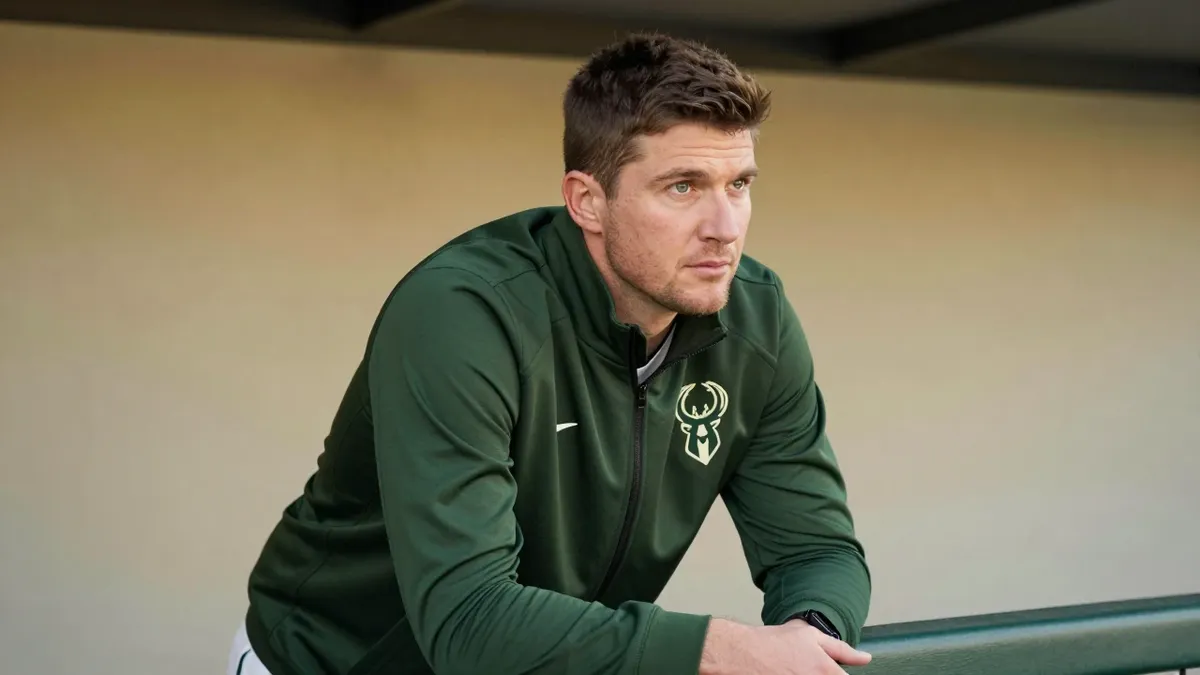
The organization's immediate future is on the line. Without the safety net of their own draft pick, finding wins and developing current players becomes even more urgent. The front office may need to explore other avenues for acquiring young talent if the losses continue to pile up at this rate.