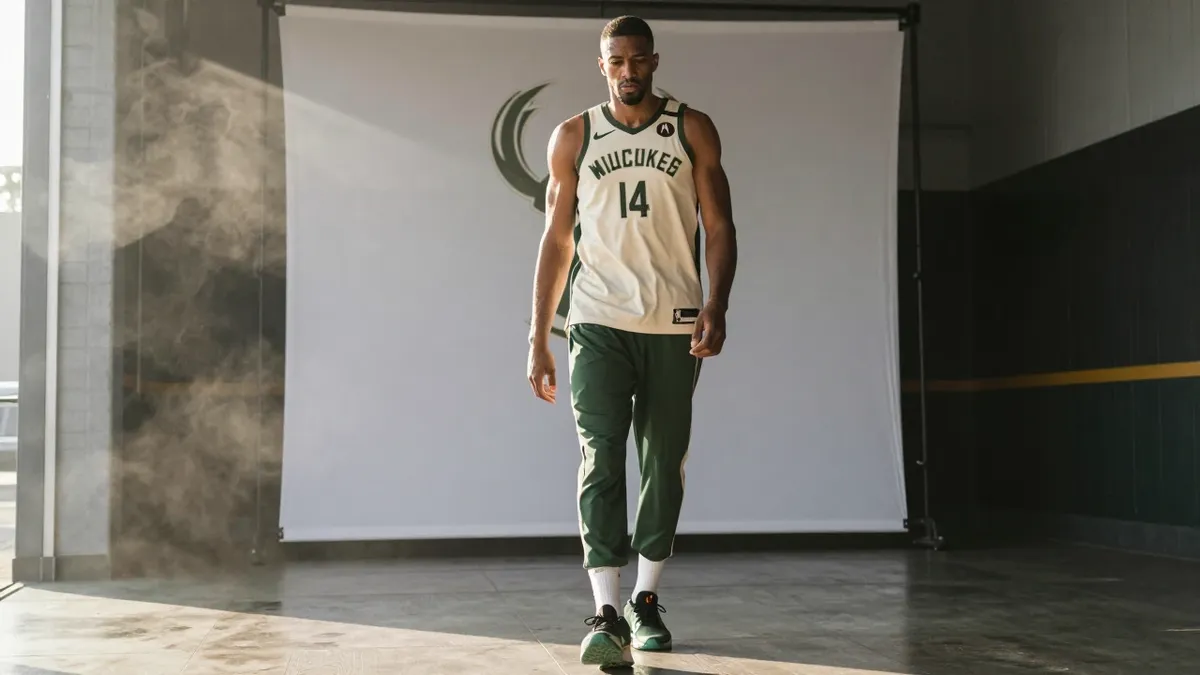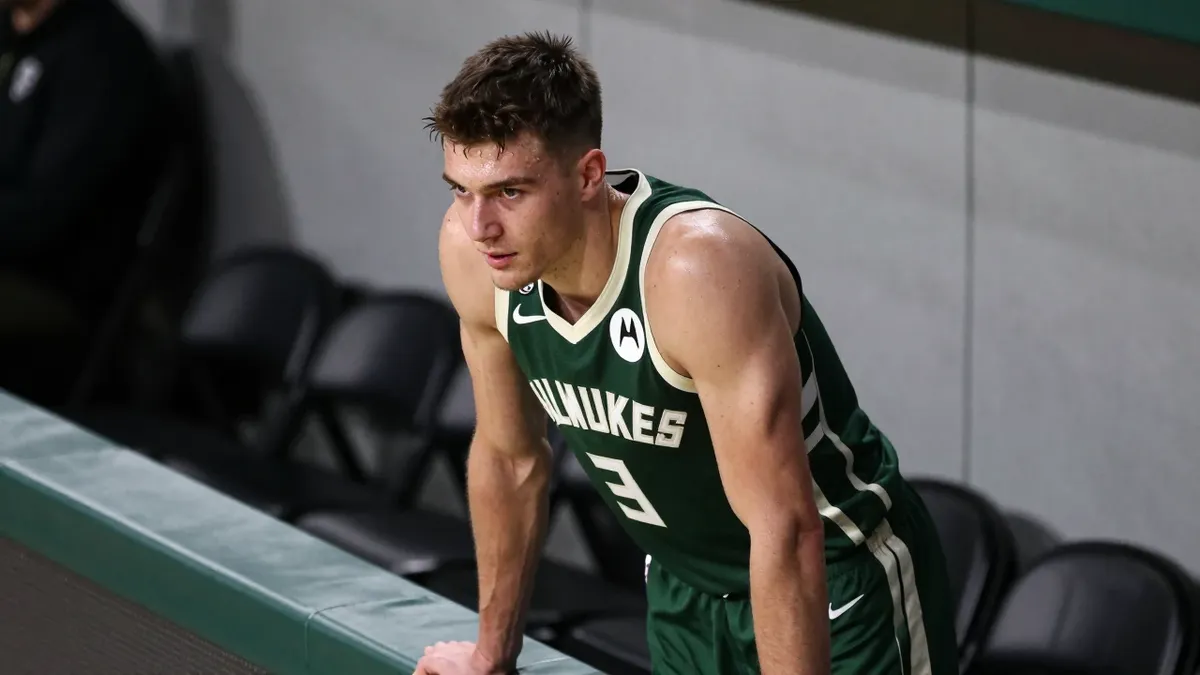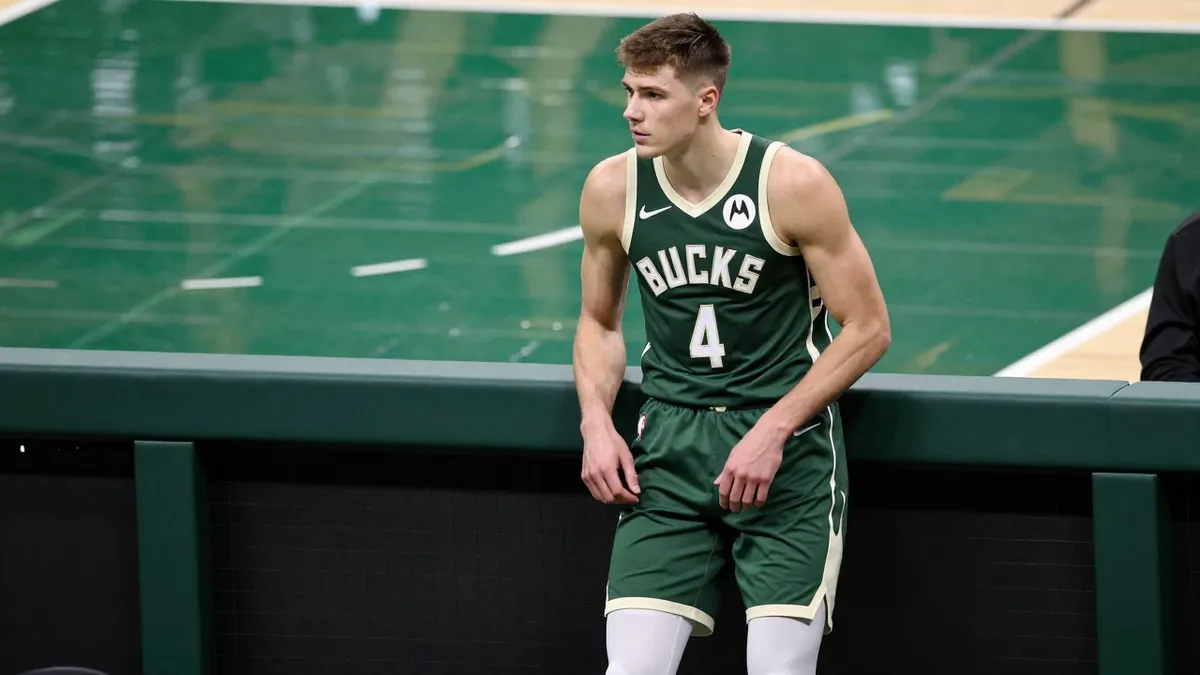
The Milwaukee Bucks' future in Wisconsin was secured by a $200 million arena deal, a multimillion-dollar gamble that prevented the franchise's relocation. This foundational move comes as the team faces a tough start to the 2026-27 season, most recently falling 112-100 to the Minnesota Timberwolves on November 2.
Former U.S. Senator Herb Kohl purchased the Bucks in 1985 for $19 million with a clear goal: preserve the team for Milwaukee. When he decided to sell nearly three decades later in 2014, his primary condition wasn't just the highest bid. Kohl demanded a guarantee that the new owners would not move the franchise.
He found those owners in New York-based investors Wes Edens and Marc Lasry, who agreed to a $550 million purchase. The transaction's core was a joint financial pledge for a new arena. Kohl committed $100 million of his own money from the sale, and Edens and Lasry matched it with another $100 million. That $200 million commitment established the essential financial foundation for what would become the Fiserv Forum, ensuring the Bucks had a modern home to build a long-term future.
The stability provided by that deal is the backdrop for today's on-court challenges. The Bucks are in a difficult stretch, having lost three consecutive games. Their recent form shows just one win in their last five outings, a pattern that includes heavy defeats.
After a 110-102 victory over the Indiana Pacers on October 26, the team has struggled defensively. They conceded 136 points in a loss to the Cleveland Cavaliers on October 31 and 132 points to the Houston Rockets three days prior. The latest result, a 112-100 road loss to the Timberwolves, continued the trend.
Immediate focus shifts to a massive Eastern Conference showdown. The Bucks travel to face the Boston Celtics on November 4, a critical early-season test to stop the losing skid. The Celtics matchup is followed by a run of games that will demand better perimeter defense and more consistent scoring beyond their stars.
Long-term, the franchise's location is no longer in question thanks to Kohl's foresight. The financial gamble he and the new ownership group made over a decade ago locked the Bucks into Milwaukee for generations. Now, the basketball operations face the pressure of building a contender worthy of that permanent home. The challenge is translating off-court security into on-court success, a task that becomes more urgent with every loss.