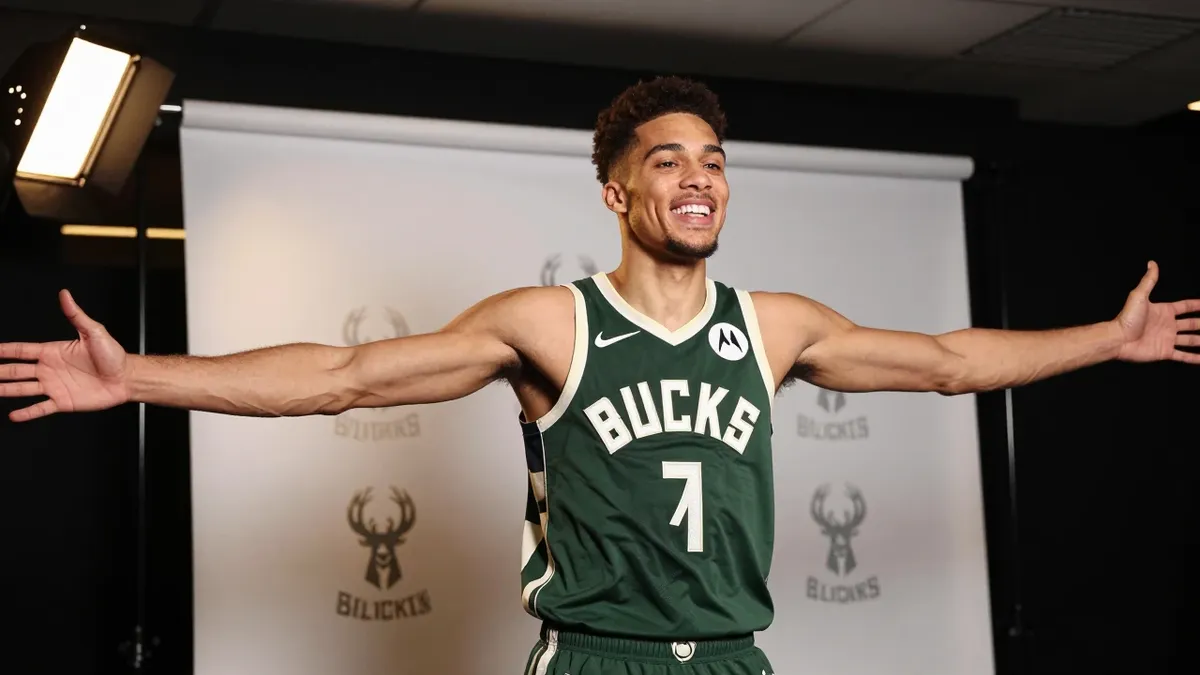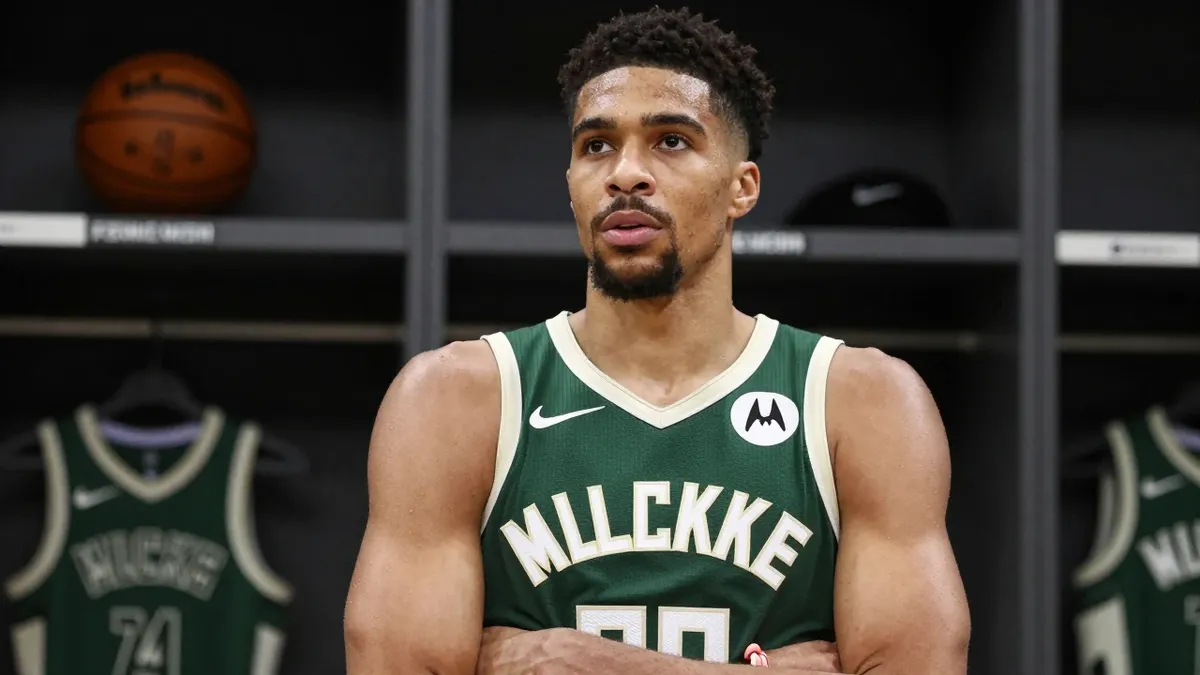
The Milwaukee Bucks are evaluating their roster's financial value as they enter a new era, with Tyler Herro's expiring $33 million deal and Ryan Rollins' team-friendly $4 million contract among their best assets. The team's focus has shifted to identifying core pieces for the future following the departures of Giannis Antetokounmpo and Damian Lillard.
Which contracts offer the best value for the Bucks?
Tyler Herro tops the list with a 2026-27 salary of $33 million. He is a top-10 shooting guard in the league and provides elite scoring. His contract is expiring, which gives Milwaukee significant flexibility. The Bucks can decide to extend him or use his salary as a valuable trade piece. Herro's ability to create his own shot and space the floor is a major asset for any offense.
Ryan Rollins is another standout on a remarkably team-friendly deal. He is set to earn only $4 million for the 2026-27 season. Rollins had a breakout year, showing he can be a reliable contributor on both ends of the floor. At that price, his production represents immense value. If he continues to develop, this contract could be one of the biggest bargains in the entire NBA.
How does the team's current situation affect contract value?
The Bucks are no longer in immediate championship contention. This changes how they view every player's contract. Value and future potential are now the primary metrics, not only immediate playoff impact. The team needs players who can grow with the franchise or assets that can be flipped for future draft capital. You can track the team's rebuilding progress through our standings page.
Financial flexibility is key for a team in transition. Expiring contracts like Herro's are incredibly useful. They can be used to absorb salary in a trade or simply come off the books to create cap space. Young players on affordable deals, like Rollins, allow the Bucks to build depth without breaking the bank. This strategic approach is essential for a quicker return to relevance.
What comes next for the Bucks' roster management?
General Manager Jon Horst faces a series of big decisions. He must determine which players are part of the long-term core and which are tradeable assets. Evaluating these contracts is the first step in that process. The front office will be active in exploring all options.
The upcoming NBA draft and free agency period will be critical. The Bucks will likely be looking to acquire young talent and future picks. Players on value contracts make that easier, as other teams are more willing to trade for them. Milwaukee's strategy will involve patience and a clear vision for the kind of team they want to build. Fans can follow potential roster moves on our roster page.
Ultimately, the Bucks' best contracts provide them with options. They offer a blend of talent, affordability, and trade flexibility. Navigating this rebuild successfully depends on leveraging these assets wisely. The goal is to assemble a new competitive core without being hampered by bad long-term financial commitments. The work starts with recognizing the value already on the books.